

Owning a Volkswagen means enjoying thoughtful engineering, refined driving dynamics, and technology that makes every commute or road trip more comfortable. Whether you drive a sedan, hatchback, or SUV, routine maintenance keeps your vehicle dependable year after year. In Idaho, changing seasons, temperature swings, and varying road conditions make staying on top of service even more important.
From oil changes to tire care, these essential maintenance tips help protect performance, efficiency, and long-term value.
Stay Consistent with Oil and Filter Changes
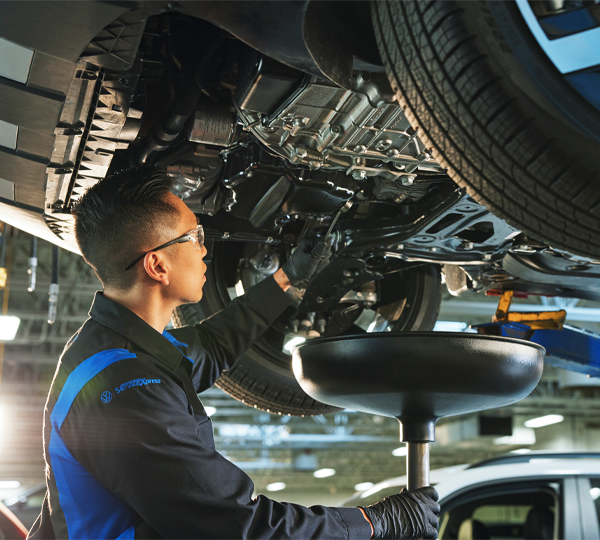
Engine oil is one of the most important fluids in your vehicle. It lubricates internal components, reduces friction, and helps regulate temperature. Over time, oil breaks down and becomes less effective, leading to increased wear.
Following the recommended oil change interval maintains smooth performance and fuel efficiency. This is especially important for turbocharged engines found in many models. For example, keeping up with oil service in a Jetta ensures the engine remains responsive during daily commuting or longer highway drives.
Replacing the oil filter at the same time is equally important. A clean filter prevents debris from circulating through the engine, protecting critical components.
Keep an Eye on Tires Year-Round
Tires directly affect safety, fuel economy, and ride comfort. Checking tire pressure monthly and before longer trips helps maintain even wear and stable handling. Idaho’s seasonal temperature changes can cause tire pressure to fluctuate, so monitor it regularly.
Rotating tires at recommended intervals promotes even tread wear and extends their lifespan. This is particularly beneficial for vehicles like the Tiguan, where balanced traction supports confident handling in rain or light snow.
You should also pay attention to tread depth. Worn tires can reduce braking effectiveness and grip. If you frequently drive rural roads or highways between cities, proper tread depth makes a noticeable difference in stability and control.
Don’t Overlook Brake Inspections
Brakes naturally wear over time, especially in stop-and-go traffic. If you hear squeaking, grinding, or notice reduced responsiveness, schedule an inspection promptly.
Even without obvious signs, periodic brake checks are a smart preventative measure. For drivers of a Taos, which is often used for a mix of city and highway travel, reliable braking performance supports both comfort and safety.
Brake inspections typically include checking pads, rotors, and fluid levels. Addressing small concerns early can prevent more extensive repairs later.
Battery and Charging System Checks
Cold winters and hot summers affect battery performance. If your vehicle struggles to start, lights dim, or electronic features seem inconsistent, a battery test can help identify the issue.
Routine inspections of the charging system ensure your alternator and battery work together properly. This is particularly helpful in vehicles equipped with advanced infotainment and driver-assist features, where steady electrical performance is essential.
Fluid Levels Matter More Than You Think
Beyond engine oil, several other fluids keep your vehicle operating smoothly. These include coolant, brake fluid, transmission fluid, and windshield washer fluid.
Coolant helps regulate engine temperature, which is especially important during Idaho’s extreme weather shifts. Brake fluid maintains hydraulic pressure for consistent stopping power. Transmission fluid supports smooth shifting and long-term durability.
For Golf drivers, maintaining proper fluid levels helps preserve the agile, composed feel that makes it enjoyable to drive.
Regular inspections allow technicians to top off or replace fluids before performance is affected.
Replace Air Filters for Better Efficiency
Both engine and cabin air filters play important roles. The engine air filter keeps debris out of the engine, while the cabin air filter improves interior air quality.
Replacing these filters at recommended intervals can enhance fuel efficiency and ensure a cleaner cabin environment. If you frequently drive through agricultural areas or on dusty roads, filters may need more frequent attention.
Pay Attention to Warning Lights
Modern vehicles have advanced diagnostic systems. If a warning light appears on your dashboard, do not ignore it.
Some lights signal minor issues, while others indicate more urgent concerns. Prompt diagnostics help prevent small problems from becoming larger ones. Regular multi-point inspections provide reassurance that systems are functioning properly.
Seasonal Maintenance Is Key in Idaho
Idaho’s weather brings unique challenges. Preparing for winter includes checking tire condition, battery strength, and heating systems. Before summer road trips, inspections of cooling systems and air conditioning performance help ensure comfort.
Drivers who frequently travel between Boise and surrounding communities benefit from proactive seasonal checks. Staying ahead of maintenance supports both safety and peace of mind.
Software Updates and Technology Checks
Many newer models include advanced driver assistance and connectivity features. Keeping software updated ensures optimal functionality.
Technicians can check for available updates during routine visits. This helps maintain the performance of infotainment systems, safety technologies, and navigation tools.
Use Genuine Parts for Long-Term Reliability
When replacement parts are needed, choosing components designed specifically for your vehicle helps preserve fit and performance. From brake components to filters and wiper blades, properly matched parts contribute to consistent results.
A dedicated parts center can help you find what you need if you prefer handling smaller maintenance tasks yourself.
Why Preventive Care Makes a Difference
Routine service isn’t just about fixing issues. It protects long-term value and reduces unexpected repairs. Drivers who follow recommended maintenance schedules often experience smoother performance, improved efficiency, and greater confidence behind the wheel.
Whether commuting daily, carpooling, or heading out for weekend travel, staying proactive with maintenance helps your vehicle remain dependable in every situation.
FAQs
Q: How often should I service my Volkswagen?
A: Service intervals depend on model and driving habits, but most vehicles follow scheduled maintenance based on mileage or time. Seasonal inspections are also beneficial due to temperature changes.
Q: Do turbocharged Volkswagen engines require special maintenance?
A: Turbocharged engines benefit from timely oil changes using recommended oil types. Staying consistent with service helps maintain performance and longevity.
Q: Is tire rotation on my Volkswagen necessary?
A: Yes. Regular tire rotations promote even wear, extend tire life, and support balanced handling—especially important for vehicles driven in mixed city and highway conditions.
Q: Can I get maintenance reminders for my Volkswagen?
A: Many newer models include service reminder systems that alert you when maintenance is due. A service advisor can also help you track intervals.
Q: Why choose Boise Volkswagen for maintenance and repairs?
A: Drivers benefit from factory-trained technicians, specialized diagnostic tools, and access to genuine parts designed specifically for their vehicle.
Keep Your Volkswagen Performing at Its Best
Staying on top of routine maintenance is one of the most effective ways to protect your investment. From oil changes and tire care to seasonal inspections and software updates, small steps today prevent larger concerns tomorrow.
If it’s time for service, schedule an appointment and let experienced technicians help keep your vehicle ready for every mile ahead.
Connect with us


- 2024 Volkswagen Atlas
- 2025 Volkswagn Taos
- 2026 Volkswagen Atlas
- 2026 Volkswagen Golf GTI
- 2026 Volkswagen Golf R
- 2026 Volkswagen Jetta GLI
- 2026 Volkswagen Jetta S
- 2026 Volkswagen Taos
- 2026 Volkswagen Tiguan
- Boise Volkswagen Dealer
- Boise Volkswagen Financial Department
- Boise Volkswagen Service
- Boise Volkswagen Service Center
- Certified Pre-Owned Vehicles
- Golf R
- Near Meridian
- New 2024 Volkswagen Atlas
- New Inventory
- New Volkswagen Golf R
- New Volkswagen ID.4
- New Volkswagen Jetta
- Service and Parts Specials
- Service Center
- Uncategorized
- Volkswagen Atlas
- Volkswagen Atlas Cross Sport
- Volkswagen Golf GTI
- Volkswagen Golf R
- Volkswagen ID. Buzz
- Volkswagen ID.4
- Volkswagen Jetta
- Volkswagen Jetta GLI
- Volkswagen Maintenance
- Volkswagen Taos
- Volkswagen Tiguan