Blog / 2026 Volkswagen Jetta S

Smart, Sporty, and Built for Everyday Driving: The 2026 Volkswagen Jetta 1.5T S at Boise Volkswagen

2026-VW-Jetta-S-January-2026-BVW

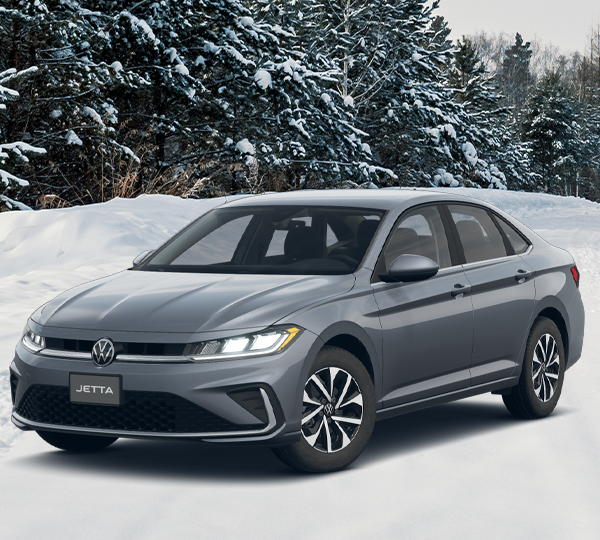
The 2026 Volkswagen Jetta 1.5T S upholds the Jetta reputation as a refined, engaging sedan suited for daily driving. At Boise Volkswagen, this model provides a balanced choice for commuting, navigating city streets, and highway travel. Its efficient turbocharged performance, modern technology, and clean design provide a purposeful yet straightforward driving experience.

Turbocharged Performance Designed for Balance

Under the hood, the 2026 Jetta 1.5T S is powered by a 1.5L TSI® turbocharged four-cylinder engine producing 158 horsepower. Paired with an 8-speed automatic transmission and electric power steering, this premium car offers smooth acceleration and confident response whether you’re merging onto I-84 or cruising through city traffic. The engine start-stop system helps improve efficiency during stop-and-go driving, making it well-suited for everyday routines.

This sedan’s front-wheel-drive layout, combined with advanced stability and traction systems like Electronic Stability Control, Anti-Slip Regulation, Electronic Differential Lock, and Engine Brake Assist, contributes to a composed and predictable ride. This balance of performance and control makes this sedan easy to drive while still feeling responsive.

Clean Exterior Styling with Functional Details

The streamlined exterior of this vehicle combines sportiness with practicality. LED headlights and daytime running lights offer strong visibility and a modern appearance, while LED taillights and license plate lighting create a cohesive design. Automatic headlights with the coming/leaving home feature add convenience in low-light conditions.

This car is equipped with 16-inch machined alloy wheels, and its all-season tires provide year-round readiness. Heated, foldable, power-adjustable side mirrors and rain-sensing front wipers enhance visibility in varying weather conditions.

Comfortable, Driver-Focused Interior

Inside the cabin, this sporty vehicle is designed with comfort and simplicity in mind. Cloth seating surfaces provide a durable, comfortable environment, while the manually adjustable driver seat allows for personalized seating. The leather-wrapped multi-function steering wheel puts key controls at your fingertips, helping you stay focused on the road.

Climatronic® Touch dual-zone automatic climate control lets the driver and front passenger set individual temperatures for added comfort. An auto-dimming rearview mirror reduces glare, improving nighttime driving comfort.

The 60/40-split folding rear seat provides flexibility for carrying larger items while maintaining rear passenger seating as needed.

Drivers exploring new Jetta models can also review current new vehicle specials at Boise Volkswagen to see which trims and features best align with their needs.

Technology That Keeps You Connected

This sporty sedan is equipped with Volkswagen Digital Cockpit, featuring an 8-inch digital instrument display that presents essential driving information clearly and efficiently. The MIB3 Composition Color infotainment system includes an 8-inch touchscreen, providing access to media, vehicle settings, and connectivity features.

App-Connect® smartphone integration supports compatible devices through both wireless and USB connections, allowing seamless access to navigation, music, and communication apps. Bluetooth® technology with audio streaming keeps you connected without unnecessary distractions, while two front USB-C ports offer fast data and charging capabilities.

Connected vehicle services from myVW+ add another layer of convenience, helping drivers stay informed and engaged with their vehicle.

Advanced Safety and Driver Assistance

Safety is a key focus of this Volkswagen. The Advanced Airbag Protection System includes six airbags, along with Side Curtain Protection® head airbags for both front and rear passengers. Lower Anchors and Tethers for Children (LATCH) support secure child seat installation, making this vehicle a practical choice for families.

This sedan also includes a comprehensive suite of driver assistance features under Volkswagen IQ.DRIVE®. These systems include Adaptive Cruise Control, Travel Assist, Lane Assist, Emergency Assist, Blind Spot Monitor with Rear Traffic Alert, Forward Collision Warning, Autonomous Emergency Braking with Pedestrian Monitoring, and a Rear View Camera System. Together, these technologies are designed to enhance awareness and provide added confidence during daily driving.

For those considering additional options, our pre-owned inventory includes models that offer a similar practical design and driving confidence with added flexibility.

Everyday Convenience That Makes a Difference

Features such as the electronic parking brake, tire pressure monitoring system, and rain-sensing windshield wipers enhance the ease of use. Thoughtful details throughout the vehicle create an intuitive driving experience for both short and long trips.

To keep Jetta ownership simple, Boise Volkswagen provides an online maintenance menu that outlines recommended services and helps drivers plan future care with confidence.

FAQs

Q: Is the 2026 Jetta S a good choice for daily commuting?

A: Yes. The Jetta 1.5T S is ideal for commuting, offering a turbocharged engine, smooth 8-speed automatic transmission, comfortable ride, and advanced driver-assistance features such as Adaptive Cruise Control and Lane Assist to reduce stress on longer drives.

Q: How much cargo space does the 2026 Jetta S offer?

A: The Jetta offers a spacious trunk suitable for groceries, luggage, or work gear. The 60/40-split folding rear seat adds flexibility for carrying longer or bulkier items.

Q: Does the 2026 Jetta 1.5T S get good gas mileage?

A: The Jetta is designed to be efficient for everyday driving, especially for highway and city commuting, with 29 mpg city, 40 mpg highway, and 34 mpg combined. Its turbocharged 1.5L engine and engine start-stop system help balance performance with fuel efficiency.

Q: What colors is the 2026 Volkswagen Jetta S available in?

A: The Jetta S is available in several exterior colors to suit personal preferences. Availability may vary, so please check our current inventory at Boise Volkswagen for specific options.

Explore the 2026 Jetta 1.5T S at Boise Volkswagen

The 2026 Volkswagen Jetta 1.5T S combines turbocharged efficiency, modern technology, and everyday comfort. Its clean design, advanced safety features, and driver-focused interior make it a smart choice for Boise drivers. Visit Boise Volkswagen to explore our available models and see how they fit your daily needs.
Posted in:

Recommended Posts

Tires

Best Winter Tires for Boise ID Driving

The best tires for winter driving in Boise, Idaho are dedicated winter tires, not all-season tires, because they use a softer rubber compound and deeper tread designed to grip snow, slush, and ice. All-season tires work fine in mild weather, but they stiffen and lose traction once temperatures drop and snow starts sticking to the road. This guide explains how winter tires differ from all-season tires, when to switch seasonally, how to spot worn tread, and where Boise drivers can get tires inspected before winter arrives. Do Boise Winters Really Require Dedicated Winter Tires? Boise sits in a part of Idaho where winter weather swings hard; one week brings clear roads, and the next brings snow, slush, and black ice before sunrise. All-season tires are engineered to perform reasonably well across a wide temperature range, but that versatility comes at a cost in the coldest months. Once the air turns cold, the rubber in an all-season tire firms up and can't flex as well into the microscopic grooves of a snowy or icy road. Dedicated winter tires are molded from a rubber compound that stays pliable in the cold, so the tread can actually bite into snow and ice rather than skating across the surface. For regular commuters in Boise, Meridian, Nampa, Caldwell, or Eagle, that difference shows up most in stopping distance and overall control on a frosty morning. What Makes Winter Tires Different From All-Season Tires? The tread pattern on a winter tire is cut deeper and packed with hundreds of small slits called sipes. Those sipes open as the tire rolls, creating extra biting edges that grab loose snow and channel away slush and water. All-season tires use a shallower, more generalized tread meant to balance wet, dry, and mild winter conditions, so they don't specialize in any one of them. The rubber compound matters just as much as the tread pattern. Winter tire rubber is formulated to resist hardening in freezing temperatures, while all-season rubber is built around a warmer average range. That is why a vehicle on all-season tires can feel noticeably looser and slower to respond on a cold morning than the same vehicle on dedicated winter rubber. When Should Boise Drivers Switch to Winter Tires? The safest approach is mounting winter tires before the first real snow or hard freeze hits, not after. Waiting until roads are already icy means driving on compromised rubber during the exact conditions winter tires are meant to handle. Many Boise area drivers aim to make the switch in the fall, well ahead of the first snowfall, and swap back to all-season tires once nighttime temperatures reliably stay above freezing in spring. Booking a visit early is simple; drivers can schedule a service appointment before the first snow instead of waiting for icy roads to force the issue. That same visit is also a good time to have brakes, battery health, and fluid levels checked before winter settles in. How Can You Tell When Winter Tires Need to Be Replaced? Winter tires lose their advantage long before they look obviously bald. As the tread wears down, the sipes shrink, and the tire loses the extra biting edges that make it effective in snow, even if some rubber remains. A simple visual check for uneven wear, cracking, or flattened tread blocks can reveal a tire that has aged out of winter service. Vibration, a longer stopping distance, or a vehicle that feels like it is wandering on snow are also worth paying attention to. The service department at Boise Volkswagen can measure remaining tread and let a driver know whether a tire has another winter left or it is time to shop for a replacement set. Does All-Wheel Drive Replace the Need for Winter Tires in Idaho? All-wheel-drive systems, like those available on the Volkswagen Atlas and Tiguan, help put power down more evenly when accelerating from a stop on snow or ice. That is a real advantage, but it only addresses acceleration. All-wheel drive does nothing to shorten stopping distance or improve cornering grip, and those are the moments when winter weather actually causes crashes. A vehicle with all-wheel drive riding on all-season tires can still slide through a stop sign or lose control in a turn on packed snow. Pairing winter tires with an all-wheel-drive SUV such as the Atlas gives a driver better traction in every direction, not just when pulling away from a stoplight. Where Can Boise Drivers Get Winter Tires Installed and Maintained? Finding the correct winter tire size and having it mounted correctly matters as much as choosing the right tire in the first place. The parts and service teams can help match a tire to a specific Volkswagen model and confirm it is balanced and installed correctly. Drivers who already know what they need can order the right parts directly, while those who want a professional opinion can bring the vehicle in for an inspection. Either way, getting tires checked before winter settles in across Boise, Meridian, Nampa, Caldwell and Eagle is far easier than dealing with a flat or a slide once snow is already on the ground. What tread depth is considered too worn for safe winter driving? A worn winter tire shows tread that has flattened close to the built-in wear bars molded between the tread blocks. Once those bars sit flush with the surrounding tread, the tire no longer has enough depth to channel snow and slush and should be replaced regardless of how new it looks otherwise. How do you know if a tire is actually rated for winter use? A true winter tire carries a mountain and snowflake symbol molded into the sidewall, marking it as certified for severe snow service. An all-season tire typically only carries a mud and snow designation, which signals light-duty traction rather than dedicated cold-weather performance. Which Volkswagen models offer all-wheel drive for winter driving? The Volkswagen Atlas, Atlas Cross Sport, and Tiguan are available with all-wheel-drive configurations built for added traction when pulling away on snow or wet pavement. Pairing any of these with winter tires gives a more complete traction package than all-wheel drive alone. When should winter tires be removed in the spring? Winter tires should come off once nighttime and morning temperatures reliably stay above freezing and snow has stopped falling in the area. Running winter tires through a warm season wears the softer rubber down faster and shortens how many winters the set will last. Why do all-season tires struggle once Idaho temperatures drop? All-season tires use a rubber compound balanced for a wide range of conditions rather than cold weather specifically. As temperatures fall, that rubber stiffens, and the tread cannot flex into the small grooves of an icy or snowy surface, reducing grip when it matters most. Where should winter tires be stored during the off season? Winter tires last longer when stored in a cool, dry space away from direct sunlight and away from anything that emits ozone, such as a furnace or generator. Stacking them flat or hanging them upright keeps the tread from developing flat spots while they sit unused. How often should tire pressure be checked during winter? Tire pressure should be checked regularly through the winter since cold air causes pressure to drop noticeably between fill-ups. Underinflated tires wear unevenly and respond more slowly, so a quick pressure check on a cold morning helps maintain consistent handling and traction. What is the difference between studded and studless winter tires? Studded winter tires use small metal studs embedded in the tread to bite directly into solid ice, while studless winter tires rely entirely on tread design and a cold-weather rubber compound. Studless tires are quieter on dry pavement and are legal in more places year-round. How can a driver tell if the issue is tires or an alignment problem? Tires that wear evenly across the tread but still feel loose on snow usually point to a tire traction issue rather than alignment. Wear that is heavier on one edge of the tire, or a vehicle that pulls to one side on dry pavement, points more toward an alignment problem instead. Why is tire rotation important for winter tire longevity? Front and rear tires wear at different rates depending on how power and braking are distributed, especially on all-wheel-drive vehicles. Rotating winter tires on a regular schedule evens out that wear, helping the full set lose tread at a similar pace and last through more winters. Drivers in Boise, Meridian, Nampa, Caldwell, and Eagle who want a second opinion on tread, tire type, or timing can bring a vehicle to Boise Volkswagen before the first hard freeze hits. Anyone ready to get ahead of winter can visit the service department now rather than waiting for the first snowy commute.

VW Parts

Where Can Boise, ID Drivers Buy Genuine Volkswagen Parts?

Boise drivers looking for genuine OEM Volkswagen parts can find them through the parts department at Boise Volkswagen, where every component is sourced directly from the manufacturer rather than a generic supplier. This guide explains why factory parts matter, how the ordering process works, and what that means for the long-term health of a Volkswagen no matter which model sits in the driveway. Why Do OEM Volkswagen Parts Matter More Than Aftermarket Alternatives? OEM stands for original equipment manufacturer, meaning the part was designed and built to the exact specifications used when the vehicle was originally assembled. Aftermarket parts are made by outside companies that guess at those tolerances, which can lead to looser fits, inconsistent materials, or components that simply were not engineered for a Volkswagen powertrain or electrical system. Choosing genuine parts removes that guesswork. This matters most in areas where fit and calibration are critical: braking components, sensors, filters, and anything tied to the engine or electrical architecture. A part that is close enough is not the same as a part that is correct, and that difference tends to show up later in the form of premature wear or a dashboard warning light that should not be there. Where Exactly Can Boise Drivers Order Genuine Volkswagen Parts? The most direct route is through the parts team at Boise Volkswagen, where shoppers can order parts online and have the request matched to the exact trim and model year of their vehicle. Submitting a vehicle identification number along with the part needed helps the team confirm compatibility before anything ships or gets pulled from inventory, which avoids the back and forth that often comes with guessing at part numbers from a parts store shelf. Ordering through the dealership also means the part arrives with manufacturer backing attached, something that is not guaranteed when buying from a third-party retailer or an online marketplace listing that may or may not be selling genuine stock. How Does the Parts Department Support Every Model in the Lineup? Whether a driver owns a Jetta, a Tiguan, an Atlas, or any other model in the current Volkswagen lineup, the parts catalog is organized around factory specifications for that specific vehicle. That matters because components are rarely interchangeable across models or even across trims of the same model, and a part built for one configuration will not necessarily bolt on cleanly to another. This same logic applies to owners who purchased through the certified pre-owned Volkswagen program, since those vehicles carry the same expectation of factory-correct replacement parts as a new one coming off the lot. What Happens When OEM Parts Are Installed by Trained Technicians? Buying the correct part is only half the equation. The other half is installation, and the service department at Boise Volkswagen pairs genuine parts with technicians who are trained specifically on Volkswagen vehicles. That combination means the part is not just correct on paper. It is installed the way the manufacturer intended, torqued and calibrated to the standards the vehicle was designed around. Skipping that step, or having a correct part installed incorrectly, can undo much of the benefit of choosing OEM in the first place. The pairing of genuine parts with trained hands is really the full value proposition, not just one or the other. Are OEM Parts Necessary for Warranty and Resale Value? For vehicles still under any form of manufacturer coverage, using OEM parts helps keep that coverage intact, since a warranty claim can be denied for damage a non-factory part is shown to have caused. Even outside of warranty terms, a documented history of genuine parts and professional installation tends to matter to the next buyer, whether that sale happens privately or through a trade. A well-documented maintenance and repair history built on factory parts is one of the simplest ways to protect what a Volkswagen is worth down the road, and it costs nothing extra to ask for genuine parts at the time of service. Where can I find OEM Volkswagen parts near Boise? Genuine OEM Volkswagen parts are available directly through the parts department at Boise Volkswagen, which sources components straight from the manufacturer rather than relying on generic suppliers. The team matches each request to the exact vehicle before fulfilling an order, and parts can be ordered online or requested in person at the dealership for pickup or installation. What makes a part count as genuine versus aftermarket? A genuine part is manufactured to the original factory specifications used when the vehicle was built, while an aftermarket part comes from an outside company that was not involved in designing the vehicle and may not match the original tolerances. Which Volkswagen models can get parts through the dealership? Parts can be sourced for any model in the current Volkswagen lineup, including the Jetta sedan, the subcompact Taos, the compact Tiguan, and the three-row Atlas, since the parts catalog is organized around each specific model and trim configuration. This applies to vehicles purchased new, used, or certified pre-owned, so the correct part is available no matter when or where the vehicle was originally purchased. How do I know which part fits my specific Volkswagen? Providing the vehicle identification number along with the part being requested allows the parts team to confirm the exact fit before the order is placed, which avoids ordering a component built for a different trim or model year. This step matters because parts are rarely interchangeable across configurations, even within the same model. Why do genuine parts matter for routine maintenance items like filters? Filters and similar maintenance items still need to match the airflow and fitment specifications of the original design, so a genuine part keeps those systems working as intended rather than relying on a close approximation. Even small differences in material or shape can affect performance over time, making factory-matched components worth the small extra effort to source correctly. How does using OEM parts affect warranty coverage? Using genuine parts helps preserve manufacturer warranty coverage, since claims can become complicated when a non-factory part is identified as a contributing cause to a repair issue during the claim review. Sticking with factory-correct components removes that uncertainty and keeps the vehicle aligned with the terms the coverage was originally written around. What should I ask for when scheduling an installation? Drivers should specifically request genuine Volkswagen parts when booking a repair or maintenance visit, since confirming that detail ahead of time ensures the correct component is pulled and ready before the appointment. It also helps to mention the exact issue or service needed so the parts team can verify fitment in advance. Where should certified pre-owned Volkswagen owners source replacement parts? Owners of a certified pre-owned Volkswagen should source replacement parts the same way new vehicle owners do, through the dealership parts department, to keep the vehicle consistent with factory standards throughout its ownership. This consistency also supports any remaining coverage tied to the certified pre-owned program, since factory-correct parts align with its original terms. When does it make the most sense to order parts in advance? Ordering in advance makes sense for scheduled maintenance or known repairs, since confirming fitment and availability ahead of an appointment reduces the chance of a delay once the vehicle is already in for service. Planning ahead is especially useful before a longer trip or seasonal change, when a specific part may be needed quickly. How does genuine parts history affect resale value? A documented history of genuine parts and professional installation tends to reassure future buyers, making the vehicle easier to sell or trade later since there is less uncertainty about what was used during past repairs. That paper trail can also simplify negotiations, since a buyer has clear evidence that factory standards were followed throughout. Boise Volkswagen serves drivers throughout Boise, Meridian, Nampa, Caldwell, and Eagle with a parts department built around genuine, factory-matched components for every model in the lineup. To get the correct part for a repair or maintenance item, order genuine Volkswagen parts from the parts department at Boise Volkswagen.

Oil Change

How Often Do Volkswagens Need Oil Changes in Boise, ID?

Volkswagen vehicles typically need an oil change on a schedule tied to mileage and driving conditions rather than one fixed number that applies to every car. Most owners follow the maintenance plan outlined in the owner manual or the vehicle's built-in service reminder, both of which adjust based on how the car is actually driven. Driving habits, climate, and engine type all play a role in how often that service comes due. This guide walks through what sets the schedule, why the service sometimes costs more than expected, and how Boise, ID drivers can stay on top of it without guesswork. How Often Should a Volkswagen Really Get an Oil Change? Volkswagen engines are engineered to go longer between services than many older vehicles, but the exact timing still depends on how and where a vehicle spends most of its time. Frequent short trips, stop-and-go traffic around Boise, or regular towing all shorten the interval compared to mostly open-road driving. Extreme heat or cold can also affect how oil breaks down over time, which is part of why a flat calendar rule does not work for every vehicle. The most reliable way to know when a specific vehicle is due is to check the built-in service reminder or the maintenance schedule in the owner manual, since both account for real driving conditions. For an answer tailored to one vehicle's history and mileage, the service department at Boise Volkswagen can confirm timing and flag anything else worth checking during the same visit. Why Do Volkswagen Oil Changes Cost More Than Expected? Many Volkswagen engines are turbocharged, and turbocharged engines generally call for full synthetic oil rather than conventional oil because synthetic formulas hold up better under higher heat and pressure. Synthetic oil costs more than conventional oil, and pairing it with genuine filters and parts adds a bit more to the visit compared to a basic oil change on a non-turbo vehicle. That higher quality protects internal components, helps the engine run cleaner for longer, and reduces the odds of costly repairs tied to oil breakdown or poor lubrication. Ordering genuine parts for a service visit also helps make sure everything installed matches what the engine was actually built around. What Does a Full Volkswagen Maintenance Schedule Actually Include? An oil change is only one piece of a complete Volkswagen maintenance schedule. Most visits also include a tire rotation, a brake inspection, a check of fluid levels, and a look at belts, hoses, and filters to catch small issues before they turn into bigger repairs. Because these items are frequently bundled into the same appointment as an oil change, staying on schedule is often more convenient than handling each service separately whenever something feels off. Drivers around Boise tend to find it easier to keep a mental note of one recurring appointment rather than tracking several individual service dates spread across the year. Is Maintenance Different for Older Volkswagen Models? Older Volkswagen models, especially those with higher mileage or a history of conventional oil, often benefit from slightly more frequent oil changes than a newer vehicle fresh off the lot. As an engine ages, seals can wear and oil consumption can creep up, so keeping a closer eye on oil level between visits helps avoid running low unexpectedly. Drivers looking for a dependable used option with a clearer maintenance history might consider certified pre-owned Volkswagen models, which typically go through an inspection before sale and offer more documented service history than a vehicle purchased with unknown records. How Does Regular Maintenance Support Volkswagen Reliability and Warranty Coverage? Staying current on oil changes and other scheduled maintenance plays a direct role in keeping a Volkswagen reliable year after year. Warranty coverage on a new Volkswagen is designed to back major components during the vehicle's early ownership period, and following the recommended maintenance schedule helps keep that coverage intact if a mechanical issue ever comes up. For drivers who want a comfortable, feature-rich vehicle that simply works without surprises, pairing a well-equipped model like the Atlas with consistent service is one of the simplest ways to keep ownership easy through the next chapter of daily driving, travel, and everyday errands alike. How often should drivers change the oil in a Volkswagen? Oil change frequency depends on driving habits, climate, and the specific engine, so the most reliable guide is the owner manual or the vehicle's built-in service reminder, which tracks oil life based on real driving conditions rather than a fixed calendar date. Checking with a service advisor confirms exact timing for a specific vehicle. Why do Volkswagen oil changes sometimes cost more than changes for other brands? Volkswagen oil changes often use full synthetic oil formulated for turbocharged engines, along with genuine filters and parts, which can cost more upfront than a conventional oil change on a non-turbo vehicle. That higher quality oil protects engine components, reduces wear, and supports long-term reliability. What does a typical Volkswagen maintenance schedule cover? A typical Volkswagen maintenance schedule includes oil and filter changes, tire rotations, brake inspections, fluid checks, and periodic filter replacements, all timed to the vehicle's age and mileage rather than a single fixed interval. Following this schedule helps a vehicle perform reliably through every season of driving. How does the oil change schedule change for older Volkswagen models? Older Volkswagen models may need more frequent oil changes if they use conventional oil or carry higher mileage, since aging engines can experience increased oil consumption and wear. A service advisor can adjust the schedule based on the vehicle's specific age and condition, keeping the engine properly protected over time. How can Boise drivers schedule a Volkswagen oil change appointment? Boise drivers can schedule a Volkswagen oil change appointment online through the dealership's scheduling tool, picking a convenient date and describing the service needed. Routine maintenance handled through the service department also means certified technicians use parts designed specifically for the vehicle. How can someone schedule a test drive at Boise Volkswagen? Scheduling a test drive at Boise Volkswagen can be done by contacting the sales team directly or stopping by during business hours to try any vehicle in the current lineup. This gives a shopper time behind the wheel to compare ride comfort, technology, and space before deciding on a model. What happens if a Volkswagen owner skips a scheduled oil change? Skipping a scheduled oil change allows contaminants to build up in the engine oil, which reduces lubrication and can accelerate wear on moving parts over time. In turbocharged Volkswagen engines, this buildup may lead to reduced performance or more serious mechanical issues down the road. How does the Volkswagen warranty support long-term reliability? Warranty coverage on a Volkswagen is designed to back the vehicle through its early years of ownership, giving owners confidence that major components are protected while routine maintenance keeps everything running smoothly. Staying current on service appointments helps ensure warranty terms remain valid over time. What are typical maintenance costs for a Volkswagen sedan over time? Typical maintenance for a Volkswagen sedan includes routine items like oil changes, brake service, and tire care, all generally manageable when handled on schedule rather than deferred. Staying current on this upkeep tends to preserve resale value and reduces the chance of costly repairs later on. Which oil type does a Volkswagen typically need for best protection? The best oil type for a Volkswagen depends on the specific engine, so the owner manual and the oil cap label are the most reliable sources for the correct grade. Using the specified oil helps maintain proper lubrication and supports the performance of turbocharged engines common across the lineup. Boise Volkswagen serves drivers throughout Boise, Meridian, Nampa, Caldwell, and Eagle with straightforward maintenance guidance that keeps a Volkswagen running the way it was designed to. Whether it is a first oil change on a new vehicle or routine upkeep on one that has logged plenty of miles, visit the page to schedule a service appointment at Boise Volkswagen and keep everything on track.

  Call Today