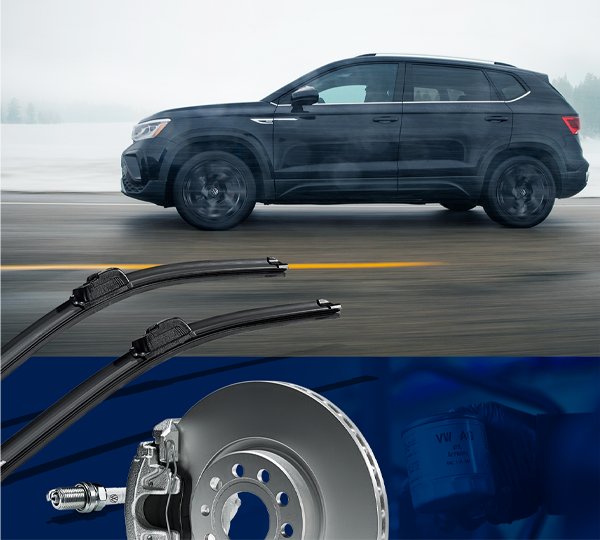

Why Do OEM Volkswagen Parts Matter More Than Aftermarket Alternatives?
OEM stands for original equipment manufacturer, meaning the part was designed and built to the exact specifications used when the vehicle was originally assembled. Aftermarket parts are made by outside companies that guess at those tolerances, which can lead to looser fits, inconsistent materials, or components that simply were not engineered for a Volkswagen powertrain or electrical system. Choosing genuine parts removes that guesswork.
This matters most in areas where fit and calibration are critical: braking components, sensors, filters, and anything tied to the engine or electrical architecture. A part that is close enough is not the same as a part that is correct, and that difference tends to show up later in the form of premature wear or a dashboard warning light that should not be there.
Where Exactly Can Boise Drivers Order Genuine Volkswagen Parts?
The most direct route is through the parts team at Boise Volkswagen, where shoppers can order parts online and have the request matched to the exact trim and model year of their vehicle. Submitting a vehicle identification number along with the part needed helps the team confirm compatibility before anything ships or gets pulled from inventory, which avoids the back and forth that often comes with guessing at part numbers from a parts store shelf.
Ordering through the dealership also means the part arrives with manufacturer backing attached, something that is not guaranteed when buying from a third-party retailer or an online marketplace listing that may or may not be selling genuine stock.
How Does the Parts Department Support Every Model in the Lineup?
Whether a driver owns a Jetta, a Tiguan, an Atlas, or any other model in the current Volkswagen lineup, the parts catalog is organized around factory specifications for that specific vehicle. That matters because components are rarely interchangeable across models or even across trims of the same model, and a part built for one configuration will not necessarily bolt on cleanly to another.
This same logic applies to owners who purchased through the certified pre-owned Volkswagen program, since those vehicles carry the same expectation of factory-correct replacement parts as a new one coming off the lot.
What Happens When OEM Parts Are Installed by Trained Technicians?
Buying the correct part is only half the equation. The other half is installation, and the service department at Boise Volkswagen pairs genuine parts with technicians who are trained specifically on Volkswagen vehicles. That combination means the part is not just correct on paper. It is installed the way the manufacturer intended, torqued and calibrated to the standards the vehicle was designed around.
Skipping that step, or having a correct part installed incorrectly, can undo much of the benefit of choosing OEM in the first place. The pairing of genuine parts with trained hands is really the full value proposition, not just one or the other.
Are OEM Parts Necessary for Warranty and Resale Value?
For vehicles still under any form of manufacturer coverage, using OEM parts helps keep that coverage intact, since a warranty claim can be denied for damage a non-factory part is shown to have caused. Even outside of warranty terms, a documented history of genuine parts and professional installation tends to matter to the next buyer, whether that sale happens privately or through a trade.
A well-documented maintenance and repair history built on factory parts is one of the simplest ways to protect what a Volkswagen is worth down the road, and it costs nothing extra to ask for genuine parts at the time of service.
Where can I find OEM Volkswagen parts near Boise?
Genuine OEM Volkswagen parts are available directly through the parts department at Boise Volkswagen, which sources components straight from the manufacturer rather than relying on generic suppliers. The team matches each request to the exact vehicle before fulfilling an order, and parts can be ordered online or requested in person at the dealership for pickup or installation.
What makes a part count as genuine versus aftermarket?
A genuine part is manufactured to the original factory specifications used when the vehicle was built, while an aftermarket part comes from an outside company that was not involved in designing the vehicle and may not match the original tolerances.
Which Volkswagen models can get parts through the dealership?
Parts can be sourced for any model in the current Volkswagen lineup, including the Jetta sedan, the subcompact Taos, the compact Tiguan, and the three-row Atlas, since the parts catalog is organized around each specific model and trim configuration. This applies to vehicles purchased new, used, or certified pre-owned, so the correct part is available no matter when or where the vehicle was originally purchased.
How do I know which part fits my specific Volkswagen?
Providing the vehicle identification number along with the part being requested allows the parts team to confirm the exact fit before the order is placed, which avoids ordering a component built for a different trim or model year. This step matters because parts are rarely interchangeable across configurations, even within the same model.
Why do genuine parts matter for routine maintenance items like filters?
Filters and similar maintenance items still need to match the airflow and fitment specifications of the original design, so a genuine part keeps those systems working as intended rather than relying on a close approximation. Even small differences in material or shape can affect performance over time, making factory-matched components worth the small extra effort to source correctly.
How does using OEM parts affect warranty coverage?
Using genuine parts helps preserve manufacturer warranty coverage, since claims can become complicated when a non-factory part is identified as a contributing cause to a repair issue during the claim review. Sticking with factory-correct components removes that uncertainty and keeps the vehicle aligned with the terms the coverage was originally written around.
What should I ask for when scheduling an installation?
Drivers should specifically request genuine Volkswagen parts when booking a repair or maintenance visit, since confirming that detail ahead of time ensures the correct component is pulled and ready before the appointment. It also helps to mention the exact issue or service needed so the parts team can verify fitment in advance.
Where should certified pre-owned Volkswagen owners source replacement parts?
Owners of a certified pre-owned Volkswagen should source replacement parts the same way new vehicle owners do, through the dealership parts department, to keep the vehicle consistent with factory standards throughout its ownership. This consistency also supports any remaining coverage tied to the certified pre-owned program, since factory-correct parts align with its original terms.
When does it make the most sense to order parts in advance?
Ordering in advance makes sense for scheduled maintenance or known repairs, since confirming fitment and availability ahead of an appointment reduces the chance of a delay once the vehicle is already in for service. Planning ahead is especially useful before a longer trip or seasonal change, when a specific part may be needed quickly.
How does genuine parts history affect resale value?
A documented history of genuine parts and professional installation tends to reassure future buyers, making the vehicle easier to sell or trade later since there is less uncertainty about what was used during past repairs. That paper trail can also simplify negotiations, since a buyer has clear evidence that factory standards were followed throughout.
Boise Volkswagen serves drivers throughout Boise, Meridian, Nampa, Caldwell, and Eagle with a parts department built around genuine, factory-matched components for every model in the lineup. To get the correct part for a repair or maintenance item, order genuine Volkswagen parts from the parts department at Boise Volkswagen.