

Blog / Boise Volkswagen Service Center

Preparing Your Volkswagen for Idaho Winters

VW-Winter-Ready-December-2025-BVW

As you're well aware, when the temperatures drop & winter storms roll into the Treasure Valley, your Volkswagen is going to need a little extra TLC to stay safe, responsive, and ready for the road ahead. Idaho winters can bring everything from icy mornings to heavy snowfall - especially in communities like Meridian, Nampa, Eagle, and Kuna. Getting your Volkswagen ready now will mean you can drive with confidence all season long - whether you're commuting downtown, heading into the foothills, or navigating those snowy highway stretches.

Winter prep isn't complicated, but a few key steps can make a big difference in how your Volkswagen performs, feels, and keeps you safe. Here are the most important ways to get your car winter-ready.

Check Your Tires Before the First Snowflake Falls

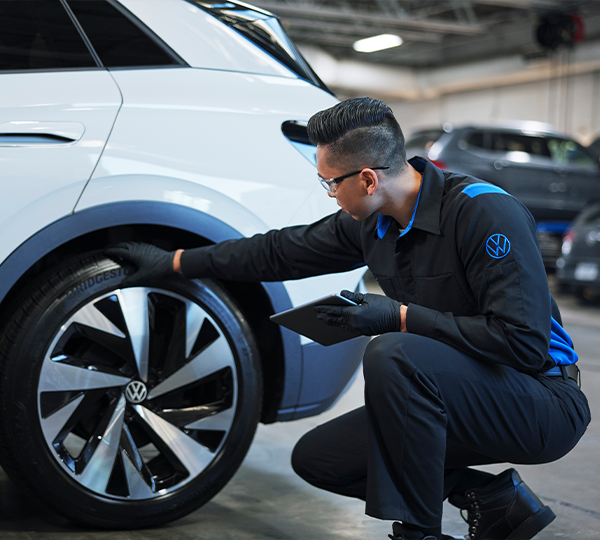
Your tires are the first line of defense against slippery winter conditions, so make sure your tire pressure is set to the recommended PSI as soon as it starts getting chilly at night. And if you live in the mountains or like to drive with confidence, you might want to consider switching to winter tires - they've got a special cold-weather rubber compound that stays flexible even in freezing temps, helping keep grip and braking performance on snow and ice.

If your tires are looking a bit worn or you're not sure what to get, our service team is here to help you pick & install the right tires for Idaho's winter conditions.

Inspect Your Battery and Charging System

Cold weather takes a toll on your battery, sometimes making it hard for it to start. Since Boise usually sees weeks of freezing temperatures, getting your battery tested before winter is a no-brainer.

A quick check can spot weak batteries, corrosion, or alternator issues early, saving you from a no-start situation on a cold morning. If your Volkswagen is an older model or takes a bit longer to crank over, a battery health check is especially important.

Top Off Fluids & Replace Wipers

Winter driving puts extra demand on your vehicle's fluids. Make sure they're all topped off to protect your engine and keep your windshield clear.

Some key items to check include:

  • Coolant levels to make sure your engine is running at the right temperature
  • Winter windshield washer fluid that won't freeze
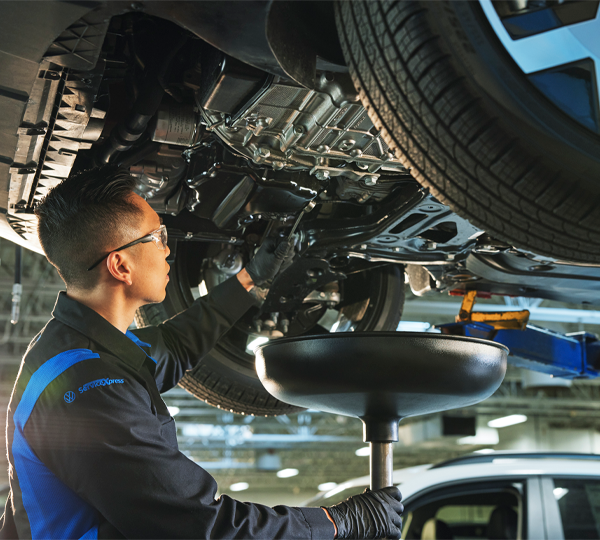
  • Oil condition, especially if your next service visit is approaching

Replacing your wiper blades is another simple but essential step. Road slush, snow, and spray can quickly cut down your visibility, so fresh wipers and a good defroster will keep your windshield clear all season long.

Make Sure Your Heating & Climate Systems Are Working Properly

Your heating system not only keeps the cabin comfy, but it also helps manage window fog and ice. Before the temps drop even further, test your heat settings, fan speeds, and climate-control functions to make sure everything's working as it should.

Replacing your cabin air filter can also improve airflow and make your system run more efficiently - especially helpful when the windows stay closed most of the winter.

Inspect Your Brakes for Winter Readiness

You need reliable brakes to stop safely on icy or wet roads. A brake inspection can spot worn pads, thin rotors, or signs of uneven wear.

If you notice your brakes squeaking, vibrating, or pulling, get an inspection ASAP. Addressing brake maintenance early will give you confidence when navigating unpredictable winter weather.

Optimize Your Interior Comfort for Cold Weather

Idaho winters make cabin comfort more important than ever, and your vehicle comes equipped with features designed to keep every drive warm and enjoyable. Taking a few simple steps can further enhance that comfort.

Start by using your vehicle’s heated seats, steering wheel heater, and remote start system (if equipped) to gradually warm the cabin rather than blasting hot air immediately. This helps maintain consistent visibility and reduces stress on climate components. It’s also a good idea to check your cabin air filter before temperatures drop—restricted airflow can make your HVAC system work harder and reduce overall efficiency.

Boise drivers who frequently travel to McCall, Sun Valley, or other cold-weather destinations may also benefit from all-weather floor mats or cargo liners, which help shield the interior from snow, salt, and mud while keeping cleanup simple.

These small adjustments ensure your premium vehicle delivers the comfort and refinement you expect, even on the frostiest Idaho mornings.

Volkswagen accessories—such as roof racks, all-weather mats, cargo organizers, and ski attachments—make it easy to customize your vehicle for Idaho’s winter lifestyle while protecting your cabin and enhancing everyday convenience.

Use Our Service Department for Winter Prep

Winter prep is a lot easier with expert support. Our service department at Boise Volkswagen has factory-trained technicians, genuine parts, and the right gear to keep your vehicle performing well all season. From tire checks to fluid top-offs and battery testing, we'll make sure your vehicle is winter-ready.

Service & Parts Specials for Seasonal Care

To make it more affordable to get your vehicle winter-ready, we've got rotating service & parts specials. From brake inspections to battery replacements and seasonal tire options, our offers help you care for your Volkswagen with genuine parts and dealership expertise.

Volkswagen Incentives & Offers

If you're thinking of upgrading your vehicle before winter, we've got a variety of Volkswagen incentives & offers to help. These offers highlight popular models and help customers explore new options with confidence. Whether you're looking for a versatile SUV or a sporty sedan, our current offers make it easier to find a Volkswagen that fits your needs and driving environment.

FAQs

Q: Do I need winter tires on my Volkswagen for driving around Boise, Meridian, and Nampa?
A: Yes. While many models like the Tiguan and Atlas offer 4MOTION® all-wheel drive, winter tires dramatically improve braking and control on icy Idaho roads. Drivers in Boise, Kuna, and the Treasure Valley often see packed snow and black ice—conditions where winter tires make the biggest impact.

Q: How often should I service the 4MOTION® system on my VW before winter?
A: Volkswagen doesn’t require special seasonal service for 4MOTION®, but it’s smart to have the system inspected before temperatures drop. Our technicians at Boise Volkswagen can check for leaks, verify software updates, and ensure everything is calibrated for winter traction.

Q: Is my Volkswagen’s battery strong enough for Idaho’s freezing temperatures?
A: Cold weather can reduce battery output. If your battery is more than three years old, we recommend a winter load test at Boise Volkswagen to make sure it can handle early-morning starts in sub-freezing temps.

Q: What VW features help most with snow and ice?
A: Many Volkswagen models include winter-friendly features such as heated mirrors, heated seats, remote start, and stability control. On SUVs like the Atlas and Tiguan, snow mode helps regulate throttle and traction for slippery conditions. These features are particularly useful for drivers commuting between Boise and the surrounding foothills.

Q: Should I flush or replace any fluids in my Volkswagen before winter weather hits?
A: It depends on your model’s mileage. Coolant should be tested for freeze protection, and wiper fluid should be swapped for a winter-rated blend. During a winter inspection at Boise Volkswagen, we can verify your coolant strength, brake fluid condition, and wiper performance to avoid cold-weather issues.

Stay Ready for Every Winter Drive in Idaho

Winter driving in Boise never has to be a nightmare. By getting a few thoughtful basics in place and teaming up with the experts at Boise Volkswagen, you and your car can not only make it through the coldest months just fine, but also stay safe, responsive, and super comfortable. Get your winter inspection scheduled, have a look at the deals we're running, and give our service team a ring today - we're here to help you figure out just how to handle Idaho winters with no fuss at all.
Posted in:

Related Posts

Tires

Best Winter Tires for Boise ID Driving

The best tires for winter driving in Boise, Idaho are dedicated winter tires, not all-season tires, because they use a softer rubber compound and deeper tread designed to grip snow, slush, and ice. All-season tires work fine in mild weather, but they stiffen and lose traction once temperatures drop and snow starts sticking to the road. This guide explains how winter tires differ from all-season tires, when to switch seasonally, how to spot worn tread, and where Boise drivers can get tires inspected before winter arrives. Do Boise Winters Really Require Dedicated Winter Tires? Boise sits in a part of Idaho where winter weather swings hard; one week brings clear roads, and the next brings snow, slush, and black ice before sunrise. All-season tires are engineered to perform reasonably well across a wide temperature range, but that versatility comes at a cost in the coldest months. Once the air turns cold, the rubber in an all-season tire firms up and can't flex as well into the microscopic grooves of a snowy or icy road. Dedicated winter tires are molded from a rubber compound that stays pliable in the cold, so the tread can actually bite into snow and ice rather than skating across the surface. For regular commuters in Boise, Meridian, Nampa, Caldwell, or Eagle, that difference shows up most in stopping distance and overall control on a frosty morning. What Makes Winter Tires Different From All-Season Tires? The tread pattern on a winter tire is cut deeper and packed with hundreds of small slits called sipes. Those sipes open as the tire rolls, creating extra biting edges that grab loose snow and channel away slush and water. All-season tires use a shallower, more generalized tread meant to balance wet, dry, and mild winter conditions, so they don't specialize in any one of them. The rubber compound matters just as much as the tread pattern. Winter tire rubber is formulated to resist hardening in freezing temperatures, while all-season rubber is built around a warmer average range. That is why a vehicle on all-season tires can feel noticeably looser and slower to respond on a cold morning than the same vehicle on dedicated winter rubber. When Should Boise Drivers Switch to Winter Tires? The safest approach is mounting winter tires before the first real snow or hard freeze hits, not after. Waiting until roads are already icy means driving on compromised rubber during the exact conditions winter tires are meant to handle. Many Boise area drivers aim to make the switch in the fall, well ahead of the first snowfall, and swap back to all-season tires once nighttime temperatures reliably stay above freezing in spring. Booking a visit early is simple; drivers can schedule a service appointment before the first snow instead of waiting for icy roads to force the issue. That same visit is also a good time to have brakes, battery health, and fluid levels checked before winter settles in. How Can You Tell When Winter Tires Need to Be Replaced? Winter tires lose their advantage long before they look obviously bald. As the tread wears down, the sipes shrink, and the tire loses the extra biting edges that make it effective in snow, even if some rubber remains. A simple visual check for uneven wear, cracking, or flattened tread blocks can reveal a tire that has aged out of winter service. Vibration, a longer stopping distance, or a vehicle that feels like it is wandering on snow are also worth paying attention to. The service department at Boise Volkswagen can measure remaining tread and let a driver know whether a tire has another winter left or it is time to shop for a replacement set. Does All-Wheel Drive Replace the Need for Winter Tires in Idaho? All-wheel-drive systems, like those available on the Volkswagen Atlas and Tiguan, help put power down more evenly when accelerating from a stop on snow or ice. That is a real advantage, but it only addresses acceleration. All-wheel drive does nothing to shorten stopping distance or improve cornering grip, and those are the moments when winter weather actually causes crashes. A vehicle with all-wheel drive riding on all-season tires can still slide through a stop sign or lose control in a turn on packed snow. Pairing winter tires with an all-wheel-drive SUV such as the Atlas gives a driver better traction in every direction, not just when pulling away from a stoplight. Where Can Boise Drivers Get Winter Tires Installed and Maintained? Finding the correct winter tire size and having it mounted correctly matters as much as choosing the right tire in the first place. The parts and service teams can help match a tire to a specific Volkswagen model and confirm it is balanced and installed correctly. Drivers who already know what they need can order the right parts directly, while those who want a professional opinion can bring the vehicle in for an inspection. Either way, getting tires checked before winter settles in across Boise, Meridian, Nampa, Caldwell and Eagle is far easier than dealing with a flat or a slide once snow is already on the ground. What tread depth is considered too worn for safe winter driving? A worn winter tire shows tread that has flattened close to the built-in wear bars molded between the tread blocks. Once those bars sit flush with the surrounding tread, the tire no longer has enough depth to channel snow and slush and should be replaced regardless of how new it looks otherwise. How do you know if a tire is actually rated for winter use? A true winter tire carries a mountain and snowflake symbol molded into the sidewall, marking it as certified for severe snow service. An all-season tire typically only carries a mud and snow designation, which signals light-duty traction rather than dedicated cold-weather performance. Which Volkswagen models offer all-wheel drive for winter driving? The Volkswagen Atlas, Atlas Cross Sport, and Tiguan are available with all-wheel-drive configurations built for added traction when pulling away on snow or wet pavement. Pairing any of these with winter tires gives a more complete traction package than all-wheel drive alone. When should winter tires be removed in the spring? Winter tires should come off once nighttime and morning temperatures reliably stay above freezing and snow has stopped falling in the area. Running winter tires through a warm season wears the softer rubber down faster and shortens how many winters the set will last. Why do all-season tires struggle once Idaho temperatures drop? All-season tires use a rubber compound balanced for a wide range of conditions rather than cold weather specifically. As temperatures fall, that rubber stiffens, and the tread cannot flex into the small grooves of an icy or snowy surface, reducing grip when it matters most. Where should winter tires be stored during the off season? Winter tires last longer when stored in a cool, dry space away from direct sunlight and away from anything that emits ozone, such as a furnace or generator. Stacking them flat or hanging them upright keeps the tread from developing flat spots while they sit unused. How often should tire pressure be checked during winter? Tire pressure should be checked regularly through the winter since cold air causes pressure to drop noticeably between fill-ups. Underinflated tires wear unevenly and respond more slowly, so a quick pressure check on a cold morning helps maintain consistent handling and traction. What is the difference between studded and studless winter tires? Studded winter tires use small metal studs embedded in the tread to bite directly into solid ice, while studless winter tires rely entirely on tread design and a cold-weather rubber compound. Studless tires are quieter on dry pavement and are legal in more places year-round. How can a driver tell if the issue is tires or an alignment problem? Tires that wear evenly across the tread but still feel loose on snow usually point to a tire traction issue rather than alignment. Wear that is heavier on one edge of the tire, or a vehicle that pulls to one side on dry pavement, points more toward an alignment problem instead. Why is tire rotation important for winter tire longevity? Front and rear tires wear at different rates depending on how power and braking are distributed, especially on all-wheel-drive vehicles. Rotating winter tires on a regular schedule evens out that wear, helping the full set lose tread at a similar pace and last through more winters. Drivers in Boise, Meridian, Nampa, Caldwell, and Eagle who want a second opinion on tread, tire type, or timing can bring a vehicle to Boise Volkswagen before the first hard freeze hits. Anyone ready to get ahead of winter can visit the service department now rather than waiting for the first snowy commute.

Oil Change

How Often Do Volkswagens Need Oil Changes in Boise, ID?

Volkswagen vehicles typically need an oil change on a schedule tied to mileage and driving conditions rather than one fixed number that applies to every car. Most owners follow the maintenance plan outlined in the owner manual or the vehicle's built-in service reminder, both of which adjust based on how the car is actually driven. Driving habits, climate, and engine type all play a role in how often that service comes due. This guide walks through what sets the schedule, why the service sometimes costs more than expected, and how Boise, ID drivers can stay on top of it without guesswork. How Often Should a Volkswagen Really Get an Oil Change? Volkswagen engines are engineered to go longer between services than many older vehicles, but the exact timing still depends on how and where a vehicle spends most of its time. Frequent short trips, stop-and-go traffic around Boise, or regular towing all shorten the interval compared to mostly open-road driving. Extreme heat or cold can also affect how oil breaks down over time, which is part of why a flat calendar rule does not work for every vehicle. The most reliable way to know when a specific vehicle is due is to check the built-in service reminder or the maintenance schedule in the owner manual, since both account for real driving conditions. For an answer tailored to one vehicle's history and mileage, the service department at Boise Volkswagen can confirm timing and flag anything else worth checking during the same visit. Why Do Volkswagen Oil Changes Cost More Than Expected? Many Volkswagen engines are turbocharged, and turbocharged engines generally call for full synthetic oil rather than conventional oil because synthetic formulas hold up better under higher heat and pressure. Synthetic oil costs more than conventional oil, and pairing it with genuine filters and parts adds a bit more to the visit compared to a basic oil change on a non-turbo vehicle. That higher quality protects internal components, helps the engine run cleaner for longer, and reduces the odds of costly repairs tied to oil breakdown or poor lubrication. Ordering genuine parts for a service visit also helps make sure everything installed matches what the engine was actually built around. What Does a Full Volkswagen Maintenance Schedule Actually Include? An oil change is only one piece of a complete Volkswagen maintenance schedule. Most visits also include a tire rotation, a brake inspection, a check of fluid levels, and a look at belts, hoses, and filters to catch small issues before they turn into bigger repairs. Because these items are frequently bundled into the same appointment as an oil change, staying on schedule is often more convenient than handling each service separately whenever something feels off. Drivers around Boise tend to find it easier to keep a mental note of one recurring appointment rather than tracking several individual service dates spread across the year. Is Maintenance Different for Older Volkswagen Models? Older Volkswagen models, especially those with higher mileage or a history of conventional oil, often benefit from slightly more frequent oil changes than a newer vehicle fresh off the lot. As an engine ages, seals can wear and oil consumption can creep up, so keeping a closer eye on oil level between visits helps avoid running low unexpectedly. Drivers looking for a dependable used option with a clearer maintenance history might consider certified pre-owned Volkswagen models, which typically go through an inspection before sale and offer more documented service history than a vehicle purchased with unknown records. How Does Regular Maintenance Support Volkswagen Reliability and Warranty Coverage? Staying current on oil changes and other scheduled maintenance plays a direct role in keeping a Volkswagen reliable year after year. Warranty coverage on a new Volkswagen is designed to back major components during the vehicle's early ownership period, and following the recommended maintenance schedule helps keep that coverage intact if a mechanical issue ever comes up. For drivers who want a comfortable, feature-rich vehicle that simply works without surprises, pairing a well-equipped model like the Atlas with consistent service is one of the simplest ways to keep ownership easy through the next chapter of daily driving, travel, and everyday errands alike. How often should drivers change the oil in a Volkswagen? Oil change frequency depends on driving habits, climate, and the specific engine, so the most reliable guide is the owner manual or the vehicle's built-in service reminder, which tracks oil life based on real driving conditions rather than a fixed calendar date. Checking with a service advisor confirms exact timing for a specific vehicle. Why do Volkswagen oil changes sometimes cost more than changes for other brands? Volkswagen oil changes often use full synthetic oil formulated for turbocharged engines, along with genuine filters and parts, which can cost more upfront than a conventional oil change on a non-turbo vehicle. That higher quality oil protects engine components, reduces wear, and supports long-term reliability. What does a typical Volkswagen maintenance schedule cover? A typical Volkswagen maintenance schedule includes oil and filter changes, tire rotations, brake inspections, fluid checks, and periodic filter replacements, all timed to the vehicle's age and mileage rather than a single fixed interval. Following this schedule helps a vehicle perform reliably through every season of driving. How does the oil change schedule change for older Volkswagen models? Older Volkswagen models may need more frequent oil changes if they use conventional oil or carry higher mileage, since aging engines can experience increased oil consumption and wear. A service advisor can adjust the schedule based on the vehicle's specific age and condition, keeping the engine properly protected over time. How can Boise drivers schedule a Volkswagen oil change appointment? Boise drivers can schedule a Volkswagen oil change appointment online through the dealership's scheduling tool, picking a convenient date and describing the service needed. Routine maintenance handled through the service department also means certified technicians use parts designed specifically for the vehicle. How can someone schedule a test drive at Boise Volkswagen? Scheduling a test drive at Boise Volkswagen can be done by contacting the sales team directly or stopping by during business hours to try any vehicle in the current lineup. This gives a shopper time behind the wheel to compare ride comfort, technology, and space before deciding on a model. What happens if a Volkswagen owner skips a scheduled oil change? Skipping a scheduled oil change allows contaminants to build up in the engine oil, which reduces lubrication and can accelerate wear on moving parts over time. In turbocharged Volkswagen engines, this buildup may lead to reduced performance or more serious mechanical issues down the road. How does the Volkswagen warranty support long-term reliability? Warranty coverage on a Volkswagen is designed to back the vehicle through its early years of ownership, giving owners confidence that major components are protected while routine maintenance keeps everything running smoothly. Staying current on service appointments helps ensure warranty terms remain valid over time. What are typical maintenance costs for a Volkswagen sedan over time? Typical maintenance for a Volkswagen sedan includes routine items like oil changes, brake service, and tire care, all generally manageable when handled on schedule rather than deferred. Staying current on this upkeep tends to preserve resale value and reduces the chance of costly repairs later on. Which oil type does a Volkswagen typically need for best protection? The best oil type for a Volkswagen depends on the specific engine, so the owner manual and the oil cap label are the most reliable sources for the correct grade. Using the specified oil helps maintain proper lubrication and supports the performance of turbocharged engines common across the lineup. Boise Volkswagen serves drivers throughout Boise, Meridian, Nampa, Caldwell, and Eagle with straightforward maintenance guidance that keeps a Volkswagen running the way it was designed to. Whether it is a first oil change on a new vehicle or routine upkeep on one that has logged plenty of miles, visit the page to schedule a service appointment at Boise Volkswagen and keep everything on track.

VW-Maintenance-July-2026-BVW

Why Regular Volkswagen Maintenance Helps Maximize Everyday Reliability

Everyday driving asks a lot from a vehicle. Commuting across Boise, handling changing road conditions, and keeping up with a busy schedule all put steady pressure on key systems, which is why scheduling regular Volkswagen maintenance to maximize everyday reliability is so important for local drivers. Routine service does more than address small issues before they grow. It helps your Volkswagen stay responsive, efficient, and ready for the drive you need each day, while giving you a clear plan for long-term care with support from Boise Volkswagen. How Routine Service Supports Daily Dependability Dependability usually comes from consistency, not luck. When maintenance is completed on schedule, your Volkswagen has the chance to operate with clean fluids, healthy filters, and properly inspected components that all work together on the road. That matters for everyday use because small service items influence larger systems. Fresh oil helps protect the engine during stop-and-go traffic, tire care helps maintain stable handling, and brake inspections help preserve confident stopping power in city driving and on longer trips. When maintenance is delayed, the vehicle has to work harder to compensate. Old fluids can lose effectiveness, worn parts can create extra stress, and minor concerns can develop into larger repairs that interrupt your routine and create avoidable downtime. Volkswagen Preventative Maintenance Tips for Boise Drivers Volkswagen preventative maintenance tips start with following the service schedule in your owner information and staying alert to how the vehicle feels during normal driving. A dashboard warning light, unusual vibration, or change in braking response should never be ignored, even when the vehicle still seems drivable. Oil and filter service remains one of the most important habits for everyday reliability. Clean oil helps decrease internal wear, and a proper filter change supports cleaner engine operation, especially when a vehicle sees frequent short trips, traffic, or seasonal temperature swings in Boise. Tire maintenance is another essential part of the routine. Regular pressure checks, tread inspections, and rotation help the vehicle maintain even wear, improve road contact, and support predictable handling during rain, heat, and cold weather. Battery health also deserves attention because weak batteries often create problems at the most inconvenient time. A battery inspection during regular service can reveal age-related decline before it leaves you stranded in a parking lot or driveway. Fluid checks matter as well, including coolant, brake fluid, and other system fluids recommended for the vehicle. Each fluid plays a specific role in protecting components, managing heat, and keeping the vehicle functioning properly under daily demand. Services That Help Preserve Performance Over Time Some maintenance tasks have a direct effect on how your Volkswagen feels day after day. Brake inspections, for example, help identify worn pads, uneven wear, or hardware concerns before stopping distance becomes an issue or noise starts interfering with the drive. Air filters also affect daily comfort and performance. A clean cabin air filter supports a better interior environment, while an engine air filter helps the engine breathe properly, which supports smooth operation and consistent fuel use. Wheel alignment checks can make a noticeable difference in everyday drivability. When alignment stays within specification, the steering response feels more predictable, tires wear more evenly, and the vehicle avoids the pull or drift that can make commuting tiring. Scheduled inspections also give technicians a chance to catch small signs of wear in belts, hoses, suspension parts, and other key areas. These checks help prevent surprise failures and keep the vehicle ready for repeated use rather than occasional repair visits. What Makes Service Timing So Important Service timing has a real effect on reliability because wear does not pause between visits. Even a vehicle that seems to be running well can accumulate stress in oils, filters, tires, and moving parts, which is why waiting for a problem often means reacting after damage has begun. Driving habits also shape service needs. Frequent short drives, heavy city traffic, long highway commutes, and temperature changes all influence how quickly parts and fluids age, so two similar vehicles may not need attention at exactly the same moment. Following the recommended service schedule helps remove guesswork. Instead of waiting for a warning sign, you can plan around mileage and time intervals, which makes it easier to keep the vehicle dependable and your schedule organized. A consistent service routine also helps preserve confidence in the vehicle. When you know the major maintenance items are current, daily driving feels less stressful because you have a better sense that the vehicle is ready for the next trip. Frequently Asked Questions Q: How often should Volkswagen maintenance be performed? A: The best schedule depends on the model, mileage, and driving conditions, so following the manufacturer-recommended service intervals is the most reliable approach. Boise Volkswagen can help you review what your vehicle needs and when. Q: What vehicle maintenance helps everyday reliability the most? A: Oil changes, tire care, brake inspections, fluid checks, and battery testing all play a major role in daily dependability. These services help prevent small issues from affecting normal driving. Q: Why does preventative maintenance matter for Boise driving? A: Boise driving can include short trips, traffic, seasonal weather changes, and longer commutes. Those conditions can accelerate wear on fluids, tires, and batteries, which makes regular service especially valuable. Q: Can I wait until a warning light appears before scheduling service? A: Waiting for a warning light often means the problem has already started. Preventative maintenance helps catch concerns earlier, which is usually less stressful and more cost-effective than emergency repairs. Q: What are signs my Volkswagen may need service sooner? A: Unusual noises, decreased braking performance, steering changes, warning lights, rough operation, or visible fluid leaks can all point to a need for service. A quick inspection can help identify the cause. Q: How can Boise Volkswagen help with maintenance planning? A: Our service team can help you stay on track with routine care, explain recommended maintenance items, and make scheduling simple. That support can help your vehicle stay dependable for daily driving. Take the Next Step If you have questions about routine maintenance habits that help keep Volkswagen models dependable for everyday driving, contact Boise Volkswagen today. Our team can help you review the next step and find the right direction based on your needs.

  Call Today